10 Best Ups Power Backup
From leading brands and best sellers available on the web.By clicking on a link to a third party's website, log data is shared with that third party.
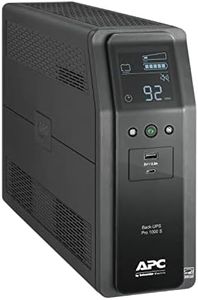
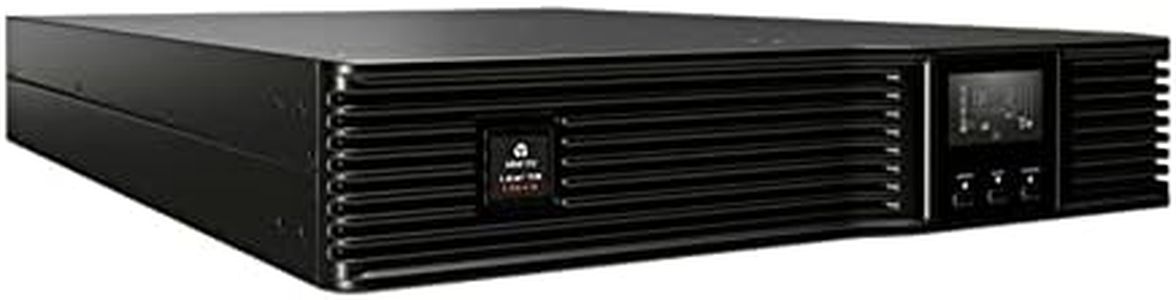
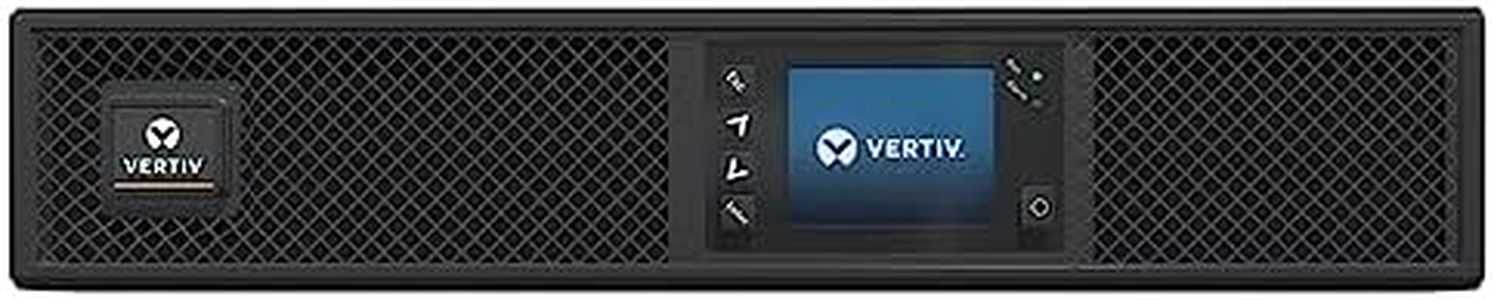
Related Products
Recommended lists
Top rated
Ups Backups
Buying Guide for the Best Ups Power Backup
Choosing the right UPS (Uninterruptible Power Supply) is important to protect your electronic devices from power outages, surges, and fluctuations. A UPS acts as a backup battery that keeps your devices running for a short period when the main power goes out, giving you time to save your work and safely shut down equipment. To find the best UPS for your needs, you should consider the type and number of devices you want to protect, how long you need backup power, and the features that matter most for your setup.Capacity (VA/Wattage)Capacity, usually measured in VA (Volt-Amps) or Watts, tells you how much power the UPS can provide to your devices. This is important because if your UPS is too small, it won't be able to support all your equipment during an outage. Lower capacity models (up to 600VA) are suitable for a single computer or small devices, mid-range (600VA-1500VA) can handle a desktop and a few peripherals, while higher capacity units (above 1500VA) are needed for servers or multiple devices. To pick the right one, add up the power requirements of all the devices you want to connect and choose a UPS with a slightly higher capacity to ensure safe operation.
Backup Time (Runtime)Backup time, or runtime, is how long the UPS can keep your devices running during a power outage. This is important because it determines whether you have enough time to save your work and shut down safely. Short runtimes (5-10 minutes) are enough for quick saves and shutdowns, while longer runtimes (15-30 minutes or more) are better if you need to keep working or have critical equipment. Think about how much time you need in a typical outage and choose a UPS that matches your needs.
Number and Type of OutletsThe number and type of outlets on a UPS determine how many and what kind of devices you can connect. Some outlets provide battery backup and surge protection, while others offer only surge protection. This is important because you want to make sure all your essential devices are protected and powered during an outage. Count the devices you need to connect and check if they use standard plugs or special connectors. Choose a UPS with enough battery-backed outlets for your most important equipment.
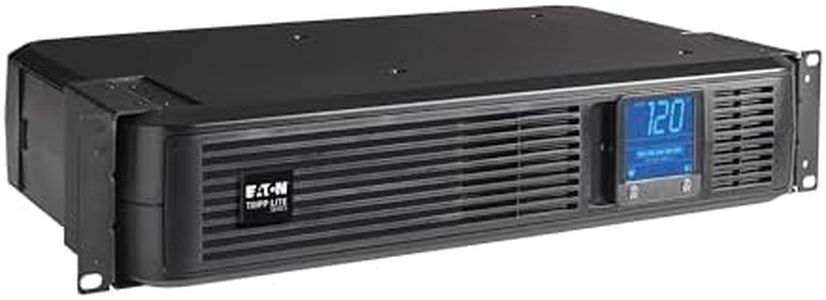
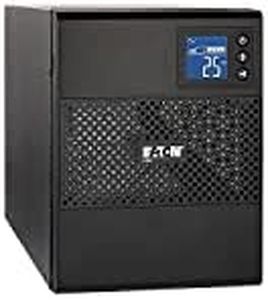
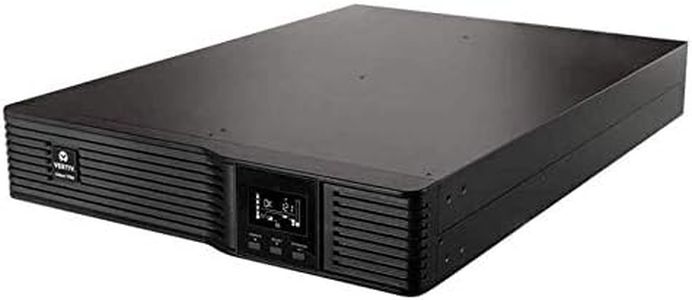
Form Factor and SizeForm factor refers to the physical shape and size of the UPS. This matters because you need to fit the UPS in your workspace or server room. Compact, desktop models are good for home or small office use, while larger, tower or rack-mounted units are better for server rooms or multiple devices. Consider where you will place the UPS and how much space you have available before making a choice.
Type of UPS (Standby, Line-Interactive, Online)There are different types of UPS systems, each offering different levels of protection. Standby UPS is basic and switches to battery only when power fails, suitable for home use. Line-Interactive UPS offers better protection against voltage fluctuations, making it good for small offices. Online UPS provides the highest level of protection by constantly supplying power from the battery, ideal for critical equipment or sensitive electronics. Think about how sensitive your devices are and how reliable your power supply is to decide which type is best for you.
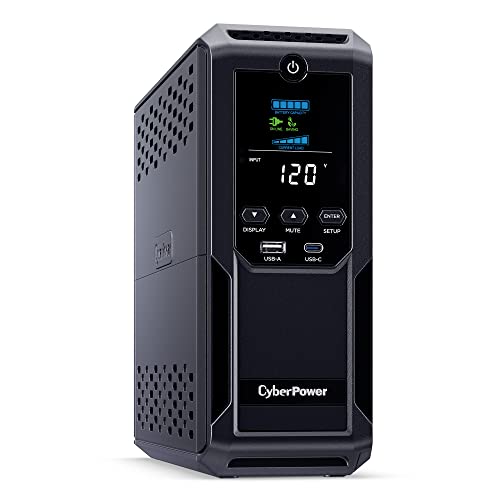
Additional Features (LCD Display, Alarms, Software)Some UPS units come with extra features like LCD displays that show battery status, alarms for power events, or software for automatic shutdown. These features can make it easier to monitor and manage your UPS, especially if you have important data or equipment. If you want more control and information, look for a UPS with these added features.