We Use CookiesWe use cookies to enhance the security, performance,
functionality and for analytical and promotional activities. By continuing to browse this site you
are agreeing to our privacy policy
9 Best Photo Booth Printers
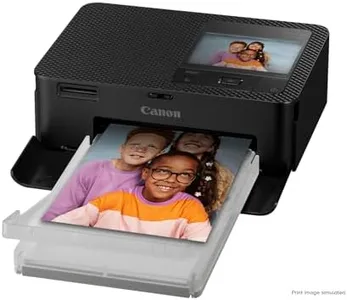
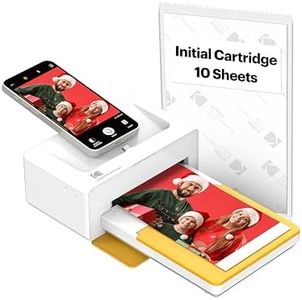
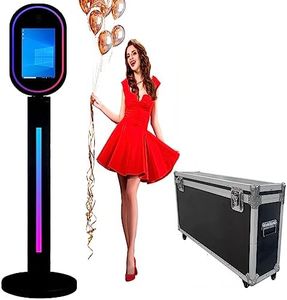
From leading brands and best sellers available on the web.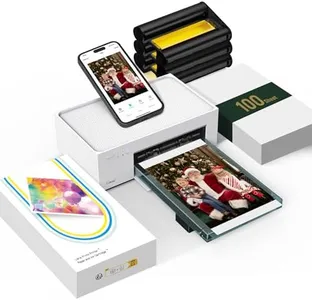

Related Products
Recommended lists


Buying Guide for the Best Photo Booth Printers
Choosing the right photo booth printer is all about matching your needs with the printer’s capabilities. Whether you’re setting up for events, parties, or a business, you want a printer that delivers reliable performance, good print quality, and fits the pace of your workflow. Think about how many prints you’ll need per event, the size and style of photos you want to offer, and how portable or easy to use the printer should be. Understanding the key features will help you make a choice that keeps your guests happy and your setup running smoothly.Print SpeedPrint speed refers to how quickly the printer can produce a finished photo, usually measured in seconds per print. This is important because at busy events, you don’t want guests waiting too long for their photos. Printers can be divided into slow (over 60 seconds per print), moderate (30-60 seconds), and fast (under 30 seconds). If you expect high traffic or want to keep lines moving, a faster printer is better. For smaller gatherings or less frequent use, a moderate speed may be enough.
Print QualityPrint quality is about how sharp, colorful, and durable the photos look. It’s usually measured in DPI (dots per inch), but also depends on the printer’s technology. Lower quality (under 300 DPI) may look grainy, standard quality (300-400 DPI) is good for most events, and high quality (over 400 DPI) gives professional-looking results. If your guests expect keepsake photos or you want to impress clients, aim for higher quality. For casual events, standard quality is often sufficient.
Media Size and FlexibilityThis spec tells you what photo sizes the printer can handle, such as 2x6, 4x6, or 5x7 inches. Some printers only do one size, while others can switch between several. If you want to offer guests choices or need specific sizes for your business, look for a printer with more flexibility. If you only need standard photo strips or prints, a single-size printer may be simpler and more cost-effective.
Connectivity OptionsConnectivity refers to how the printer connects to your photo booth system—USB, Wi-Fi, Bluetooth, or even memory cards. Wired connections like USB are reliable and fast, while wireless options offer more flexibility in setup and placement. If you want to print directly from cameras, tablets, or phones, look for wireless features. For a fixed setup, a wired connection may be all you need.
Portability and SizePortability is about how easy it is to move and set up the printer. Some printers are compact and lightweight, making them easy to transport to different venues, while others are heavier and better suited for permanent setups. If you travel to events or need to set up quickly, a smaller, lighter printer is ideal. For a stationary booth, size may not matter as much.
Media CapacityMedia capacity means how many prints the printer can make before you need to reload paper and ink. Low capacity (under 100 prints) means more frequent reloading, while high capacity (over 300 prints) lets you run longer without interruption. For busy events or long sessions, higher capacity saves time and hassle. For short events or occasional use, lower capacity may be fine.
Durability and MaintenanceDurability covers how well the printer stands up to frequent use and transport, and how easy it is to maintain. Some printers are built for heavy-duty use and have features like dust covers or easy-access parts for cleaning. If you plan to use the printer often or move it around a lot, look for a robust design and simple maintenance. For occasional use, basic durability may be enough.