We Use CookiesWe use cookies to enhance the security, performance,
functionality and for analytical and promotional activities. By continuing to browse this site you
are agreeing to our privacy policy
10 Best Artwork Scanner Flatbed
From leading brands and best sellers available on the web.By clicking on a link to a third party's website, log data is shared with that third party.
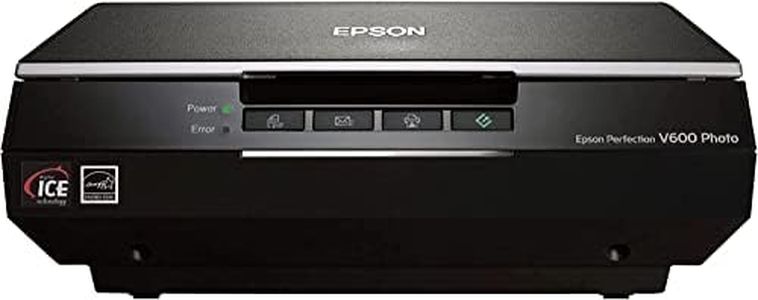
Related Products
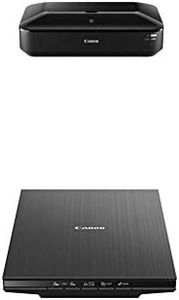
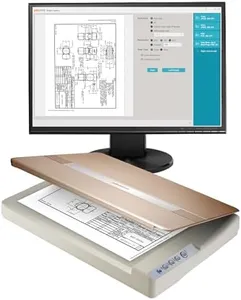
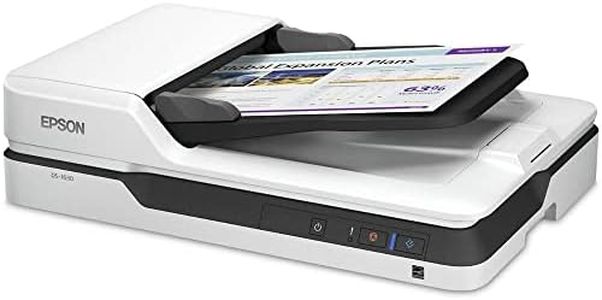
Recommended lists



Buying Guide for the Best Artwork Scanner Flatbed
Choosing the right flatbed scanner for artwork is all about matching the scanner’s capabilities to your creative needs. Whether you’re digitizing paintings, drawings, or mixed media, you want a scanner that captures every detail and color accurately. Think about the size of your artwork, the level of detail you need, and how you plan to use the digital files. Understanding the key specifications will help you make a choice that brings out the best in your art.Scan Resolution (DPI)Scan resolution, measured in DPI (dots per inch), tells you how much detail the scanner can capture. Higher DPI means more detail, which is important for artwork with fine lines or textures. For basic sharing or web use, 300 DPI is usually enough. For printing or archiving, 600 DPI or higher is better. If you work with very detailed or large pieces, look for scanners that offer 1200 DPI or more. Choose a resolution based on how you plan to use your scans—higher for prints and archiving, lower for quick sharing.
Color DepthColor depth refers to how many colors the scanner can capture, usually measured in bits. A higher color depth (like 48-bit) means the scanner can pick up more subtle color variations, which is important for artwork with rich or complex colors. If your art relies on vibrant or nuanced color, look for a scanner with higher color depth. For simple black-and-white sketches, lower color depth is sufficient.
Maximum Scan SizeMaximum scan size tells you the largest piece of artwork you can scan in one go. Standard flatbeds handle up to A4 or letter size, but some can scan A3 or larger. If your artwork is bigger than the scanner bed, you’ll need to scan in sections and stitch them together, which can be tricky. Choose a scanner that matches the size of your typical artwork to make scanning easier and more accurate.
Optical vs. Interpolated ResolutionOptical resolution is the true scanning ability of the hardware, while interpolated resolution is achieved by software guessing extra details. For artwork, optical resolution is what matters because it gives you real detail. When comparing scanners, focus on the optical resolution number, not the higher interpolated one, to ensure you’re getting genuine image quality.
Scan SpeedScan speed is how quickly the scanner can digitize your artwork. If you scan a lot of pieces or work with large files, a faster scanner saves time. However, higher speed can sometimes mean lower quality, so make sure the scanner doesn’t sacrifice detail for speed. If you only scan occasionally, speed may not be as important.
Software CompatibilityThe software that comes with the scanner or is supported by it can affect your workflow. Good software can help you adjust colors, remove dust, and organize your scans. If you use specific editing programs, check that the scanner works well with them. Choose a scanner with software that matches your editing needs and is easy for you to use.
Connectivity OptionsConnectivity options like USB, Wi-Fi, or Ethernet determine how you connect the scanner to your computer or network. USB is common and reliable, while Wi-Fi or Ethernet can be useful if you want to scan directly to multiple devices or work wirelessly. Pick the connection type that fits your workspace and how you plan to use the scanner.